A science-based reforestation initiative that plants native species suited to local soil and climate, creating livelihoods through community participation.
The Challenge
Punjab's ecosystems are declining due to deforestation, groundwater loss, and climate stress. Reforesting with native species is key to restoring biodiversity, revitalizing soil and water, and strengthening climate resilience.
Our Approach
Community Action
Awareness drives and partnerships with residents, youth, and local officials drive collective ownership of reforestation efforts.
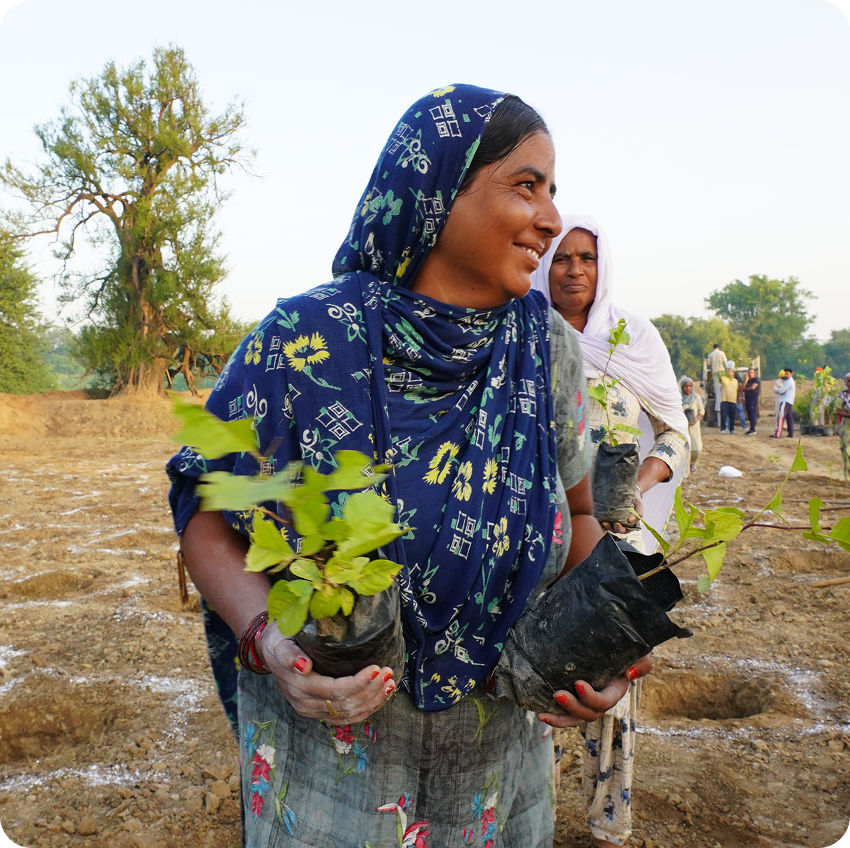
Native Tree Planting
Indigenous species, chosen for soil and weather compatibility, restore biodiversity and improve water and soil health.
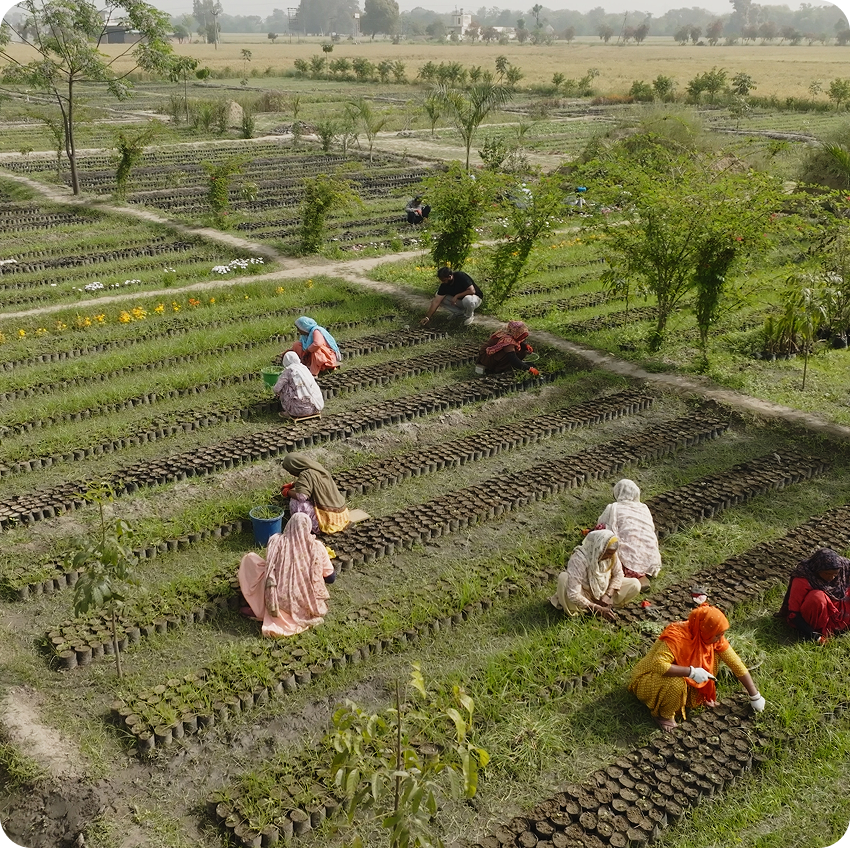
Long-Term Support
Continuous aftercare through watering, soil nourishment, monitoring, and documentation ensures sapling survival and thriving green cover.
Waste Management
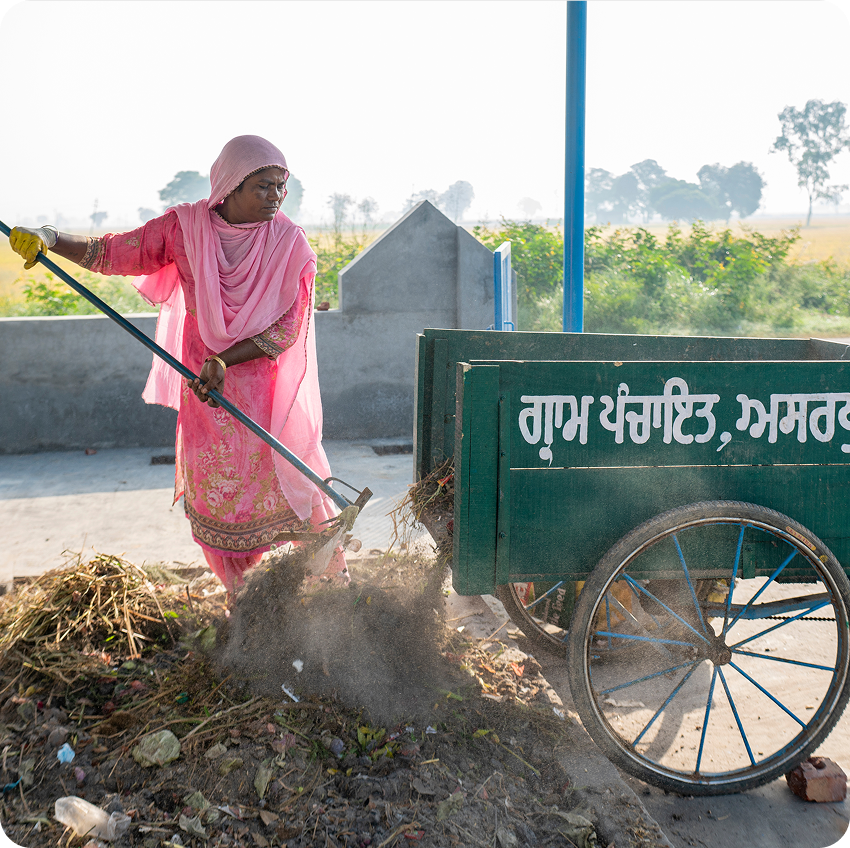
Working directly with communities, panchayats, and local governments to implement community-driven, decentralized waste systems.
The Challenge
More than 2.6 million tons of rural waste are produced yearly in Punjab, and in many areas, inadequate waste management leads to severe pollution, water contamination, and escalating rural health crises.
Our Approach
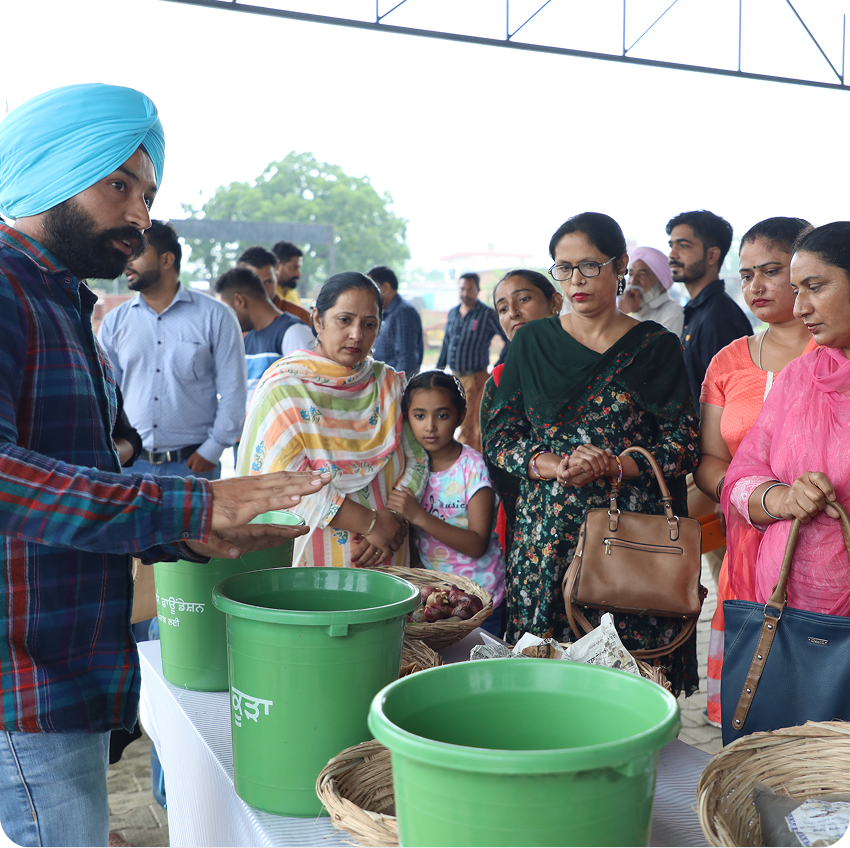
Awareness Campaigns
Continuous education builds community buy-in and participation in waste segregation and hygiene practices.
Infrastructure
Each village sets up composting units, street sweeping, and waste collection systems.
Zero-Waste Targets
Through active monitoring and optimization, villages are guided toward sustainable zero-waste models.
Regenerative Agriculture
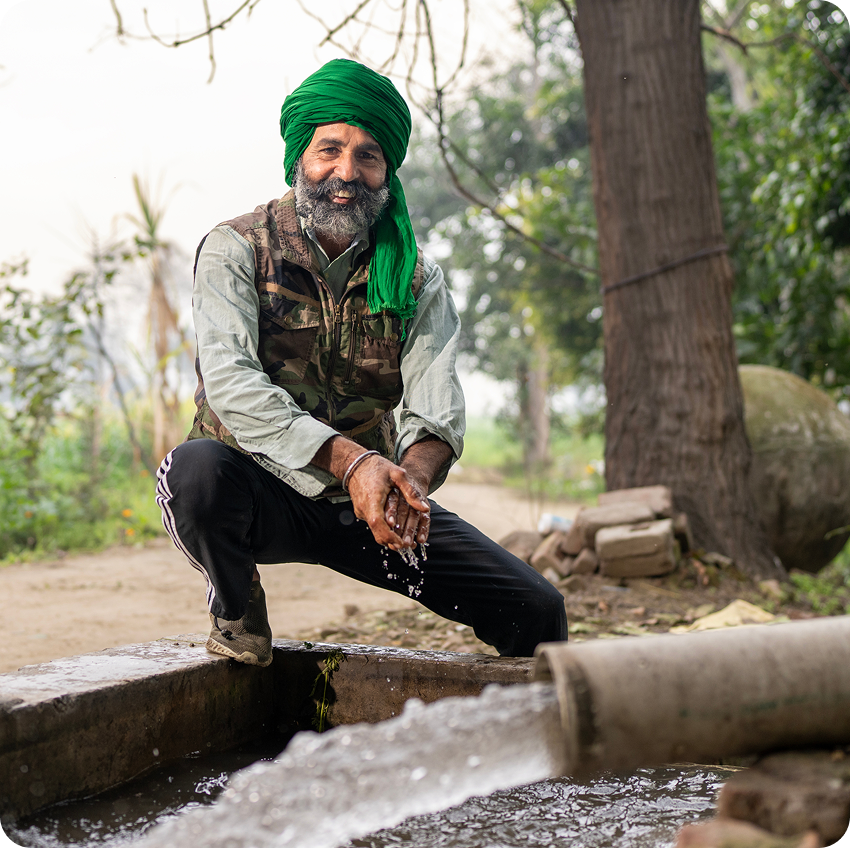
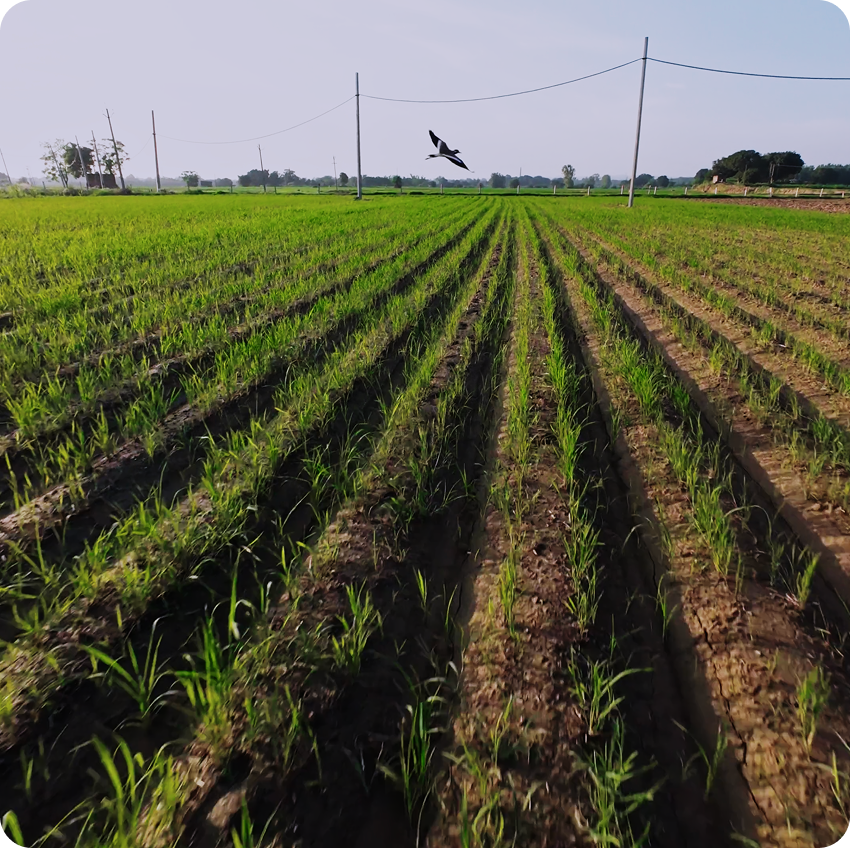
Restoring Punjab's farming future by empowering farmers with sustainable practices that revitalize soil and safeguard water resources.
The Challenge
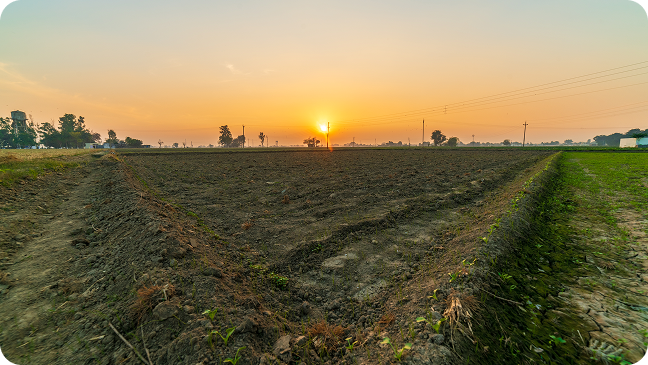
Decades of intensive chemical farming have devastated Punjab's soil quality, while groundwater levels fall one meter annually, putting entire farming communities at increasing risk.
Our Approach
Model Farms
Demonstration sites prove that sustainable techniques deliver results, showing farmers a profitable path forward.
Skills Training
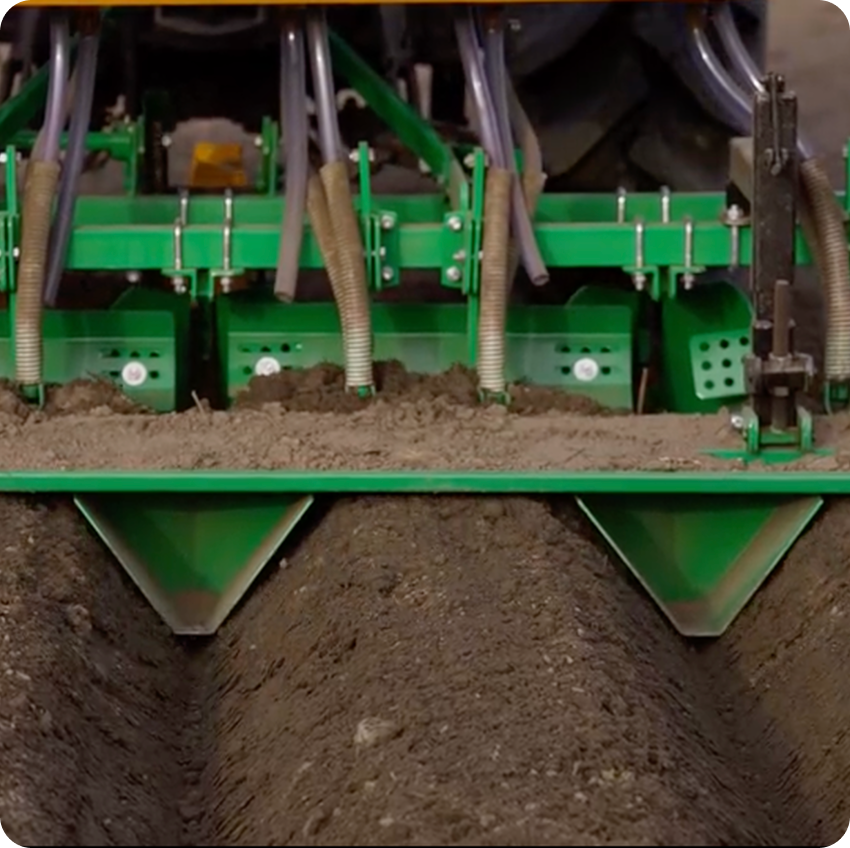
Intensive education in water-smart cultivation, soil restoration, and organic inputs empowers farmers to transform their land.
Monitoring and Support
Regular assessment of crop yields, soil health, and water savings provides data-driven feedback to refine practices.